
The Disappointment of Spring Greenery Without Flowers
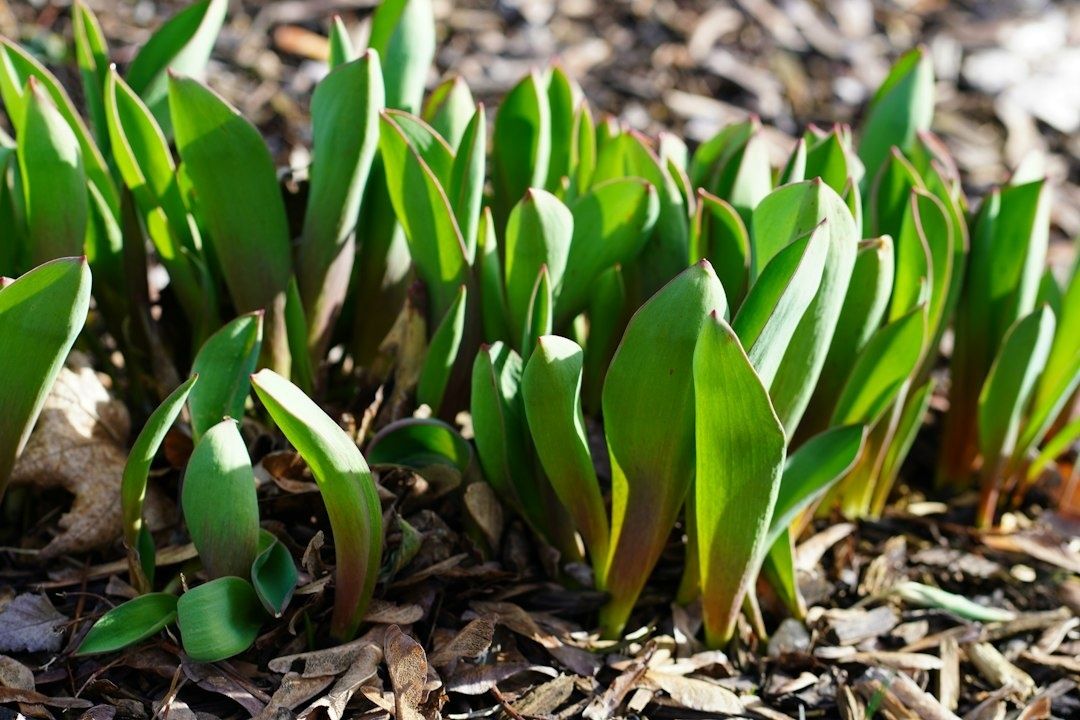
Spring is supposed to bring the reward: crisp leaves unfurling, sturdy stems rising, and tulip color opening above the bed. Instead, some gardens produce a thick fan of broad green foliage with no flower at all. The leaves look healthy enough to promise a display, yet the anticipated buds never appear. This is especially frustrating when the bulbs bloomed beautifully in previous years.
Gardeners often call this condition tulip blindness. It is not usually a sign that the plant has failed completely. Rather, the bulb has experienced an interruption in the energy system that creates and supports a flower. The bulb may be too small, too old, poorly positioned, overcrowded, inadequately nourished, or exposed to damage before the bud emerges. Non-flowering bulbs rarely need immediate disposal. With careful diagnosis, improved planting conditions, and patience through one or more growing seasons, many can rebuild the reserves needed to flower again.
Understanding Bulb Exhaustion and Age in Hybrid Tulips
Modern hybrid tulips are often selected for an impressive first display rather than indefinite naturalizing. Under favorable conditions, many bloom strongly for approximately three to five years before their flowering performance declines. After the initial seasons, the main bulb may divide into smaller daughter bulblets. These offsets use stored carbohydrates to produce leaves, but they may remain too small to develop a flower bud.
This process explains why a bed can become increasingly green while producing fewer blooms. A large flowering bulb has enough stored energy to make leaves, roots, stems, and a flower. A depleted bulblet may have only enough energy for leaves. If the bed receives limited sunlight, competes with nearby plants, or stays wet during dormancy, the small bulbs struggle to regain size. The result is not necessarily disease. It is often a slow decline in bulb strength.
Iowa State University Extension guidance explains that modern tulips commonly lose vigor after several productive seasons, while some Darwin hybrid and Fosteriana tulips are more dependable for repeat performance. The pattern of failure can help distinguish an exhausted hybrid from an undernourished bulb that still has recovery potential.
- Exhausted bulbs often produce narrow or ordinary foliage year after year, with progressively fewer flowers and many small offsets.
- Undernourished bulbs may have healthy leaves but are planted in shade, competing with vigorous perennials, or growing in soil that drains poorly.
- Overcrowded bulbs form dense clumps with reduced flower size because roots and developing offsets compete for moisture and nutrients.
- Damaged bulbs may show soft tissue, dark lesions, mold, or an unpleasant odor when lifted, indicating rot or another health problem rather than simple exhaustion.
When a bulb is lifted during the appropriate dormant period, size provides useful evidence. A firm, substantial bulb has a better chance of rebuilding than a shriveled, papery offset. Very small offsets can be replanted in a nursery area and grown on for future seasons, but replacing permanently weak hybrid bulbs with varieties bred for perennial performance is often the most efficient way to restore a reliable display.
Planting Depth and Temperature Breakdowns
Planting depth influences far more than stem length. A practical rule is to cover a tulip bulb with soil to a depth of roughly three times the bulb”s vertical height, measured from the bulb”s base to the soil surface. For many standard hybrid tulips, that means approximately 6 to 8 inches. Smaller species tulips may need about 3 to 5 inches, while large or heavy-flowered types may perform better toward the deeper end of the range.
Bulbs planted too shallowly experience more dramatic temperature changes. Warm spells can wake them prematurely, followed by cold nights that stress emerging growth. Shallow bulbs are also more vulnerable to soil heaving, drying, squirrels, and other disturbances. Their stems may be less securely anchored, and repeated temperature fluctuations can interfere with the cold period needed for normal spring development.
Winter chilling is particularly important for tulips grown in regions where fall and winter temperatures vary widely. Many tulips require a sustained period of cool conditions for proper flower-bud development. In warm climates, gardeners may need pre-chilled bulbs from a reputable supplier, and results can vary according to the cultivar. If the bulbs receive insufficient cold, they may produce leaves without completing the physiological steps required for flowering.
| Planting concern | What may happen | Useful correction |
|---|---|---|
| Too shallow | Early growth, temperature stress, weak anchoring, or animal damage | Replant at approximately three times the bulb height |
| Too deep in heavy clay | Slow emergence, prolonged wetness, and possible rot | Improve drainage and adjust depth modestly for the soil |
| Insufficient winter chill | Leaves without a properly formed flower | Choose suitable cultivars or use properly chilled bulbs where climate requires it |
| Overcrowded spacing | Small bulbs and declining flower production | Separate offsets and replant them with room to develop |
Soil type matters when applying the depth rule. Sandy soil drains quickly and may permit slightly deeper planting, while dense clay holds water and can create conditions in which bulbs rot. Tulips perform best in well-drained soil and a site receiving at least six hours of direct sunlight daily. A sunny, open bed helps leaves manufacture the carbohydrates that the bulb stores for the following flower.
Foliage Management and Wildlife Interference
Once tulip flowers fade, the leaves remain active. They are the bulb”s solar panels, converting light into stored energy for next season. Removing them while they are still green, tying them into tight bundles, or bending them sharply can reduce the food supply reaching the bulb. Even when a flower has already been lost, the foliage still has a valuable job to complete.
Allow the leaves to yellow naturally and collapse before clearing them. This process commonly takes several weeks after flowering, although weather, cultivar, and growing conditions affect the timing. Spent flowers can be removed promptly so the plant does not spend energy producing seed, but the stem and leaves should remain until their work is finished. If fading foliage looks untidy, surround it with later-emerging perennials rather than cutting it prematurely.
Wildlife can create a second, easily overlooked explanation. Rabbits and other foraging animals may bite off a developing flower bud before it clears the leaf sheath. The gardener then sees leaves without a bloom and may assume the bulb was blind from the start. Clean, angled cuts on stems or leaves, missing buds, pellets, tracks, and nearby cover can indicate grazing. The University of Wisconsin-Madison Extension guide to rabbit damage provides useful clues for identifying clipped growth and selecting physical protection.
- Install a wire barrier around the planting, using mesh narrow enough to prevent rabbits from reaching through.
- Keep the barrier high enough to discourage feeding and secure the base tightly against the soil.
- Remove dense brush, weeds, and debris near the bed where possible, since protective cover can encourage repeated visits.
- Inspect plants during the early morning for fresh cuts, tracks, pellets, or disturbed soil.
- Protect the bed without pressing mesh against emerging foliage, allowing stems and leaves to grow freely.
Physical exclusion is generally more dependable than relying on repellents alone, particularly during a period when tender spring growth is one of the few fresh food sources available. If an entire group of tulips loses its buds in the same season, wildlife damage deserves careful consideration before the bulbs are discarded.
A Step by Step Plan to Restore Flower Power Next Season
Recovery begins with the foliage that is present now. If the leaves are green, they are still sending energy into the bulb. Supply reasonable moisture during active growth, avoid saturated soil, and ensure that surrounding plants do not shade the tulips. A balanced organic bulb fertilizer can be applied according to its label while the foliage is green. Bone meal is sometimes used in bulb beds, but it should not be treated as a cure for poor drainage, deep shade, overcrowding, or severely depleted bulbs.
Once the foliage has yellowed and senesced completely, it can be removed. Late summer is a suitable time in many climates to lift congested bulbs, inspect them, and separate offsets. Handle them gently, discard bulbs that are soft or diseased, and keep firm offsets in a cool, dry, well-ventilated place if immediate replanting is not practical. Timing should follow local conditions, since the goal is to lift bulbs after dormancy begins and replant them before the soil freezes.
- Assess the bed during active growth. Record which bulbs produce leaves, check for clean grazing cuts, and note areas with shade, standing water, or heavy competition.
- Feed the working foliage. Use a balanced bulb fertilizer as directed, maintain even moisture, and avoid excessive nitrogen that encourages leaves without correcting weak bulb reserves.
- Remove only finished flowers. Deadhead fading blooms, but leave green leaves and stems in place so photosynthesis can recharge the bulb.
- Wait for complete senescence. Clear foliage only after it has yellowed and collapsed naturally. Mark locations if the bed becomes difficult to read after dormancy.
- Lift and inspect in late summer. Separate crowded bulbs, remove damaged specimens, and replant firm bulbs at approximately three times their height.
- Improve the planting site. Choose a sunny position, correct drainage problems, and space bulbs roughly 4 to 5 inches apart when their mature size calls for that distance.
- Plant for repeat performance. Where annual decline is persistent, select resilient perennial types such as Darwin hybrids or Fosteriana tulips, while recognizing that no tulip is completely immune to unfavorable conditions.
Newly planted bulbs should be watered after planting unless the soil is already saturated, then protected with a light insulating mulch where appropriate. In containers, drainage is especially important because pots can remain wet during cool weather or dry rapidly in exposed positions. Healthy bulbs reward careful planting, but recovery may take more than one season when the offsets are very small.
Reclaim Your Garden with Resilient Spring Color
Tulip blindness is best approached as a solvable mystery. Begin with the basics: inspect the bulb”s age and size, confirm that the site receives adequate sun, evaluate drainage and crowding, and check whether wildlife has removed developing buds. Correct planting depth, roughly three times the bulb”s height, helps protect the bulb from temperature swings and physical disturbance. Proper spacing gives roots and offsets room to develop, while resilient cultivars offer better prospects for repeat flowering.
Above all, protect the leaves after bloom. Let them remain green until they have transferred their stored energy underground, then clear them only after natural senescence. Some bulbs will recover quickly, while tiny offsets may need several seasons to reach flowering size. Work with the season, not against it, and treat each leafy, flowerless spring as useful evidence. With better light, sound drainage, appropriate depth, protection from grazing, and patient aftercare, the hidden energy beneath the soil can once again produce sturdy stems and brilliant spring color.